

Date of Dispatch 22 June 2026 |
Reference No. 8 AF/HO 26-0622 |
Historical Event Date 21 June 1944 | |
Subject Expeditionary Bomber Mission -- Operation FRANTIC | |
To Neuman, Ty W Maj Gen USAF AFGSC AFGSC/8th AF | |
From Callaway, William L CIV USAF AFGSC 8 AF/HO | |
General, American bombers landed in Ukraine – 50 years apart – and the story of an eyewitness on Eighth Air Force bombers landing in Ukraine in 1944.
21 June 1944, American bombers participated in Operation Frantic: On this date B-17 bomber aircraft from Eight Air Force at Poltava Air Base in Ukraine – at the time part of the Soviet Union – conducted expeditionary air operations (as explained farther below). Some 50 years later on 26 September 1994, a B-52 Stratofortress (from 2d Bomb Wing) and a B-1B Lancer (from 7th Bomb Wing) landed at Poltava Air Base in independent Ukraine as part of a friendship visit with the Ukrainian Air Force. As well a KC-10 Extender aerial tanker aircraft accompanied these bombers to Ukraine.
Rest of the Story on Operation Frantic in 1944: As the air war waged in Western Europe during World War II, the Germans built or appropriated new heavy industrial complexes in Eastern Europe so to provide a distance barrier to escape aerial daylight bombardment by Eighth Air Force (8 AF) launching from England along with night time strikes conducted by the Royal Air Force Bomber Command. American air planners reasoned that the strategic bombardment of these newer German industrial complexes in the eastern European areas could be done if American bombers could operate from inside the Soviet Union conducting "shuttle bombing" air operations.
Shuttle Bombing Expeditionary Air Concept: The air campaign of using shuttle bombing envisioned 8 AF bombers and fighters dispatching from England, strike targets in Germany, then then land in Ukraine region of the Soviet Union. After rearming and refueling, then these expeditionary air elements would strike German industrial targets in eastern Germany and Europe on their way to American air bases in Italy. After rearming and refueling in Italy, this 8 AF expeditionary air element would strike targets in western Germany on their way back to home stations in England.
Likewise, the bombers and fighters from Fifteenth Air Force (15 AF) station in Italy would conduct shuttle bombing air operations by striking German targets in eastern Germany and Europe and also land in Ukraine. After rearming and refueling in Ukraine, then these expeditionary air assets on their way back to home stations in Italy would again strike German targets.
Implementing Shuttle Bombing Air Expeditionary Operations: In November 1943, diplomatic talks with the Soviets had begun about implementing shuttle bombing from Ukraine and as can be imagined, these diplomatic and implementing talks with the Soviets were difficult. However, the Soviets finally allowed three airfields in Ukraine to host American air unis. This collaboration would allow American air and ground crews as well as support personnel to be temporarily stationed at these three airfields along with necessary supplies, materials, and equipment to facilitate rearming, refueling, maintenance, and repair minor battle damage to shuttle aircraft. American cargo aircraft were also allowed at all three bases. The Soviets would control all three bases and also be responsible for air defense of the fields. Airfields in Ukraine earmarked by the Soviets to implement Operation Frantic included Poltava (for bomber aircraft) along with Mirgorod and Piryatin (for bomber and fighter aircraft) – and all three airfields were ready for use in May 1944.
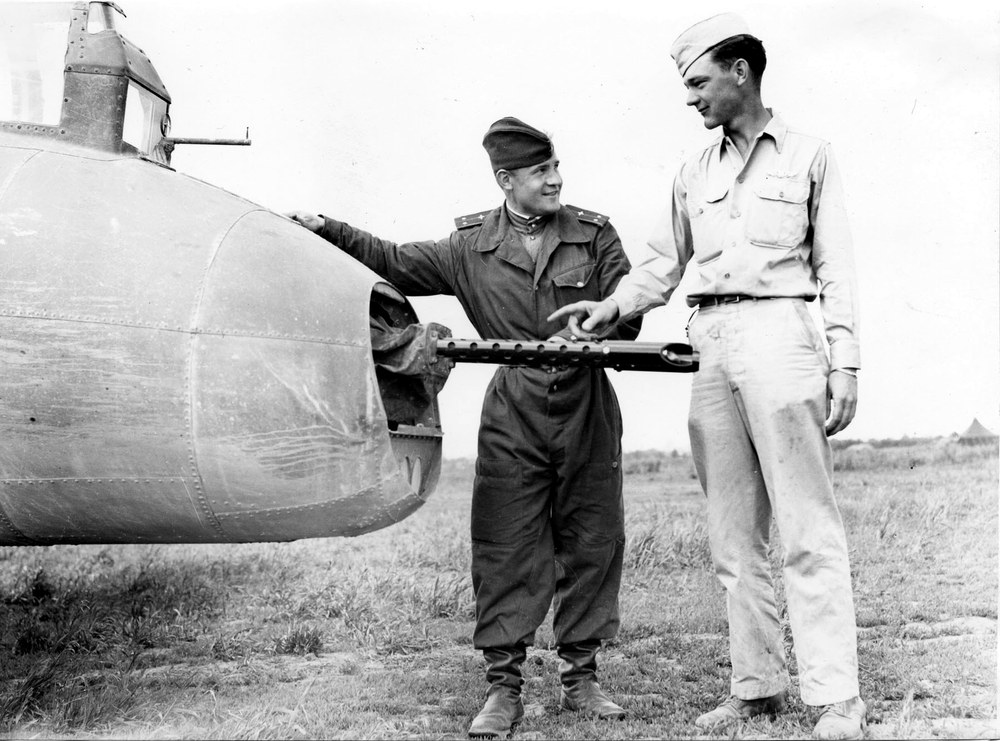
Shuttle Bombing Expeditionary Operations: Operation Frantic began with 15 AF's initial air mission on 2 June 1944. The inaugural 8 AF shuttle air mission was conducted on 21 June 1944. There would be a total of seven Frantic shuttle missions – three by 15 AF and four by the Eighth. During a Frantic expeditionary mission, the Eighth would conduct multiple strikes from Ukraine into eastern Germany, Poland, and German-occupied East Europe with a return to Ukraine before moving on to Italy and then back to home stations in England. The last Frantic mission was conducted on 15 September 1944 by the Eighth.
During the four months from June to September, Frantic shuttle bombing operations had struck 24 targets in East Germany and German-occupied portions of eastern Europe which had not experienced strategic air bombardment until Frantic was conducted. By the end of September 1944, all American personnel and equipment had departed Ukraine since Soviet ground forces were well into eastern Europe in their land advance towards Germany.
Eyewitness to History: The Eighth Air Force's Humble Historian on several occasions visited with and interviewed Mr. John S. Willis, Jr., who as a Lieutenant and a B-17 pilot was assigned to the Eighth's 452d Bomb Group (452 BG). Mr. Wilis flew the inaugural 8 AF Frantic mission on 21 June 1944 (8 AF Mission 428) to Ukraine in his brand new B-17G model bomber that was on its inaugural air combat mission. After striking the designated target in Germany and continuing flying eastward, Mr. Willis landed his new B-17G at Poltava. Unfortunately on that very evening in a daring night time attack, the German Air Force struck Poltava and destroyed 47 B-17s on the ground (see first attached photograph) and damaged the remaining 26 American bombers at Poltava – with all destroyed and damaged B-17s assigned to Eighth Air Force. One aircrew member was killed in this German night attack with several others wounded. Mr. Willis survived the attack but his brand new B-17G bomber on its first air combat mission was destroyed. Later with other bomber aircrews which had lost their respective B-17s on the ground at Poltava, Mr. Willis returned to home his station in England traveling in a cargo aircraft.
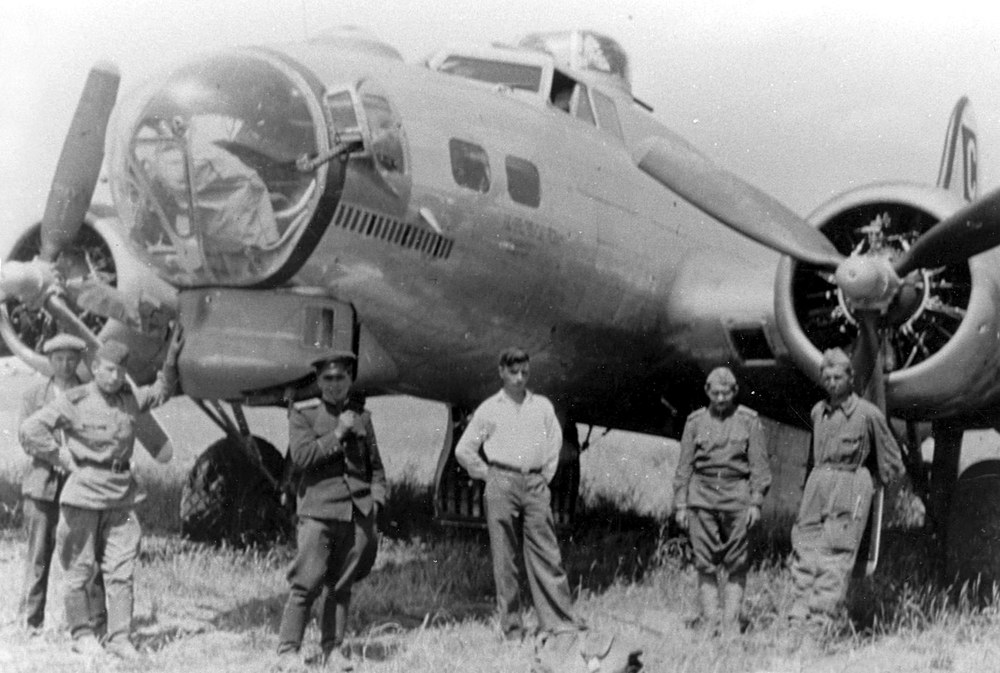
Story Behind the Brand New B-17G: Before Operation Frantic began in June 1944, Lieutenant (Lt) Willis had flown several air combat mission over Western Europe in an overage and war wearied B-17. On one occasion, Lt Willis had to abort and leave an air combat formation and return to home station due to multiple engine failures. After this experience and at home station one evening, Lt Willis and his Lieutenant wingman had their fill of alcoholic beverages in their quarters and decided to journey to the Officers Club for more beverages. By a coincidence when entering the Club, both Lieutenants met the Commander of 452 BG and a visiting General Officer coming out of Club's front doorway. Taking the initiative, Lt Willis began to poke his finger into his Commander's chest while describing the sad and poor technical condition of his assigned worn out B-17 bomber!! The visiting General Officer quietly observed the chest poking and was amused with Lt Willis's creative use of words in describing his old, worn out B-17. During this act of self-expression, Lt Willis's wingman emphasized the talk by repeatedly saying: "Tell them John!!"
The next mooring, both Lt Willis and his wingman wondered what had happed at the Club the night before. Subsequently, Lt Willis and his aircrew went out the airfield's ramp to prepare their B-17 for the upcoming air combat mission to be conducted on 21 June with eventual destination of Ukraine. Lt Willis and his aircrew was pleasantly surprised with the assignment of a brand new B-17G bomber aircraft!! During one heritage interview with Mr. Willis, he clearly recalled how smooth his brand new G-model bomber had handled on its inaugural air combat mission and the landing in Ukraine. Unfortunately on the evening of 21 June 1944; Lt Willis' new B-17G met its fate being destroyed on the ground duiring the German night time attack on Poltava airfield in Ukraine.
Lt Willis completed 35 air combat missions with Eighth Air Force during World War II and received the Distinguished Flying Cross among many individual decorations.
On 10 December 2019, the Humble Historian again met Mr. Willis and his family in Minden, Louisiana with the privilege of presenting Mr. Willis a letter and Commander's Coin from Major General James C. Dawkins, Jr., the #54 Commander Eighth Air Force. The Commander's coin and letter became carefully framed by the family and hung in a place of honor in Mr. Willis' assisted living home in Minden. On 2 June 2020, Mr. Willis quietly celebrated his 101st birthday.
Mr. John S. Willis, Jr. – Eighth Air Force veteran of World War II – peacefully passed away on 2 October 2020.
Back in 1944, the General Office who had witnessed the impressive check poking and creative discussion by Lt Willis with his commander and is strongly believed to have influenced that a brand new B-17G bomber be made available to Mr. Willis and his aircrew for their then forthcoming air combat mission to Ukraine – was the then Commander Eighth Air Force, Lieutenant General Jimmy Doolittle.
Lane
"History tells you where you are going and why."
"History makes you smart. Heritage makes you proud."
Historian, Eighth Air Force
Historian, Joint-Global Strike Operations Center
Historian, Air Forces Strategic-Air Directorates
Historian, 95th Wing
©2026 W. Lane Callaway