
Date of Dispatch 5 May 2026 |
Reference No. 8 AF/HO 26-0505 |
Historical Event Date 1-7 May 1945 | |
Subject Operation Chowhound -- Humanitarian Air Operations | |
To Neuman, Ty W Maj Gen USAF AFGSC AFGSC/8th AF | |
From Callaway, William L CIV USAF AFGSC 8 AF/HO | |
General, In the 84 years of airpower achievements by Eighth Air Force since its activation, several of its air missions were done for humanitarian purposes with one such air operation noted below.
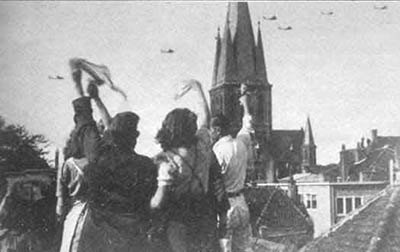
1-7 May 1945, Operation Chowhound humanitarian air operations: Eighth Air Force (8 AF) conducted multiple missions -- #973, #974, #977, #980, #981, and #984 - flown during the period 1 to 7 May (not flown on May 4). As the air war over Europe had essentially ended, both 8 AF and the Royal Air Force bomber fleets were called upon to air drop containers and boxes of food rations to urban areas in The Netherlands with these areas still occupied by German ground forces.
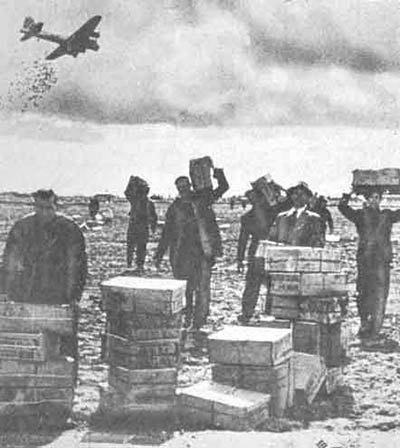
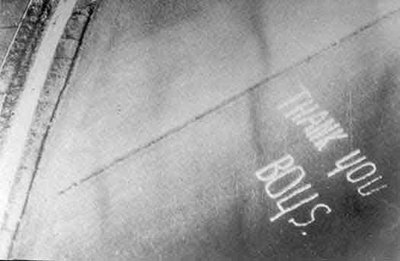
For the Eighth Air Force implementing Operation Chowhound, some 4,147.1 tons of food ration boxes and containers were air dropped to civilian populations in the cities of Rotterdam, The Hague, Schiphol (airfield), Vogelenzang, Alkmaar (airfield), Hilversum, and Utrecht. In all, a total of 2,213 bomber sorties were dispatched by the Eighth with bombers at slow speeds, at an altitude around 500 feet, and normally with wheels down to signify non-hostile flights - participated in Operation Chowhound. The food drops conducted by the Royal Air Force Bomber Command to urban areas of The Netherlands were done under the name of Operation Manna. Attached photographs provide visual glimpses of this humanitarian air operation with the last photograph a "thank you" by civilian recipients.
Rest of the Story: These humanitarian airdrops of foodstuffs were coordinated with German occupation authorities on the ground in The Netherlands. Bomber formations used designated air routes and drop zones. There were a few instances where German ground forces did fire on low-flying bombers, however, once the attacked aircraft gave the negotiated signal - a green flare fired by the aircrew - hostile counter-air fire ceased immediately.
During the last Chowhound mission, a B-17 (s/n 44-8840) from the Eighth's 95th Bomb Group experienced an engine fire that threatened to engulf the entire aircraft. Ditching into the North Sea, the B-17 immediately sank and unfortunately Air-Sea Rescue could save only one aircrew member. The loss of this B-17 with most of its aircrew was due to an in-flight emergency and not due to enemy anti-aircraft fire. (The lineage and heritage of the 95th Bomb Group resides with the Eighth Air Force assigned, 95th Wing activated on 28 February 2025 and stationed at Offutt AFB, Nebraska.)
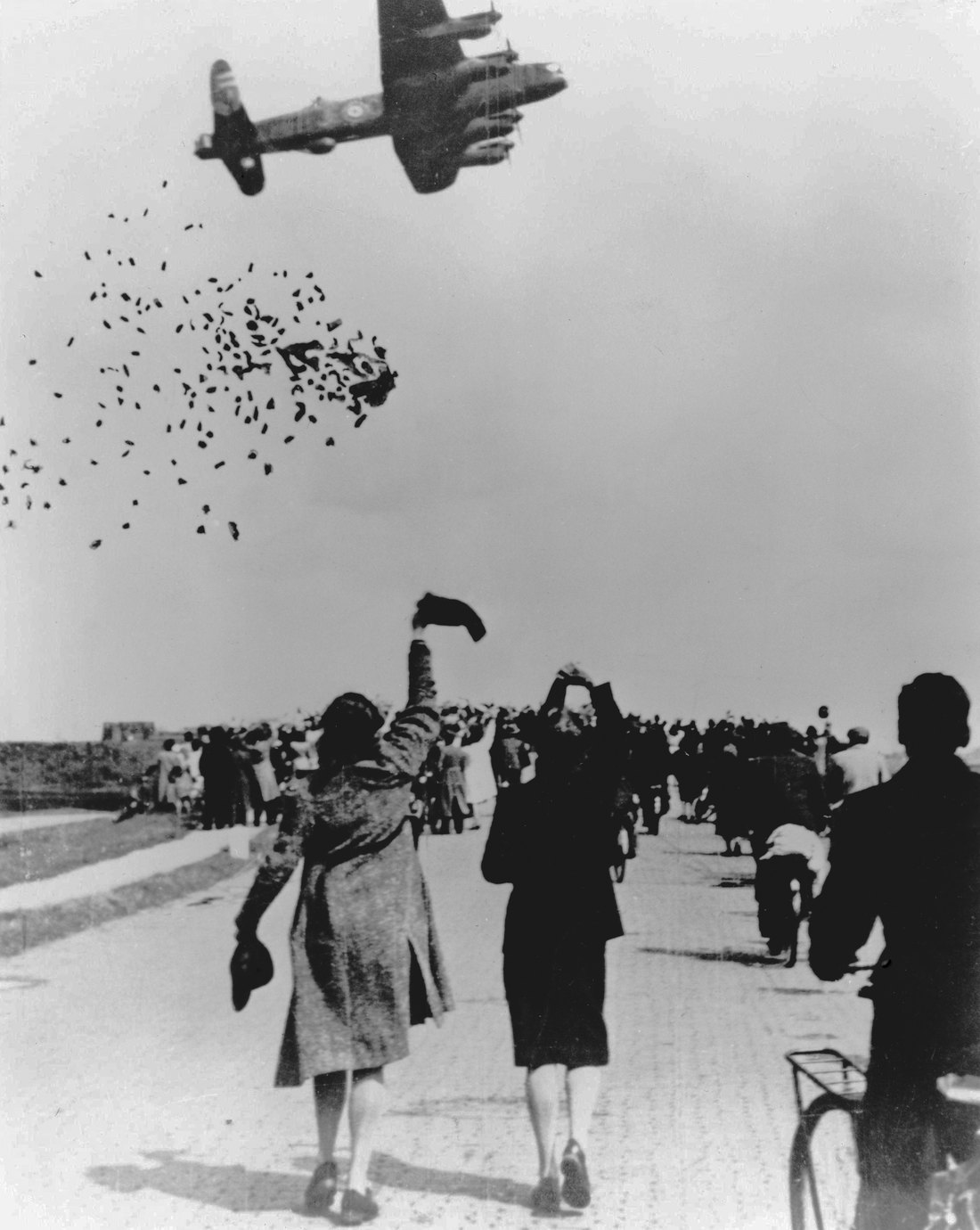
Both Operations Chowhound and Manna airdropped a total of 11,000 tons of food ration containers and boxes to civilian populations during these six days in early May. Victory in Europe (V-E Day) was proclaimed on 8 May 1945 thus formally ending World War II in Europe.
Eyewitness to History: Ms. Janny Bijkersma was a teenager in Rotterdam during the German Army occupation of The Netherlands during World War II. These years of occupation were marked with aerial bombing episodes, nightly blackouts, abrupt searches of Janny's family home by German soldiers, and food rationing. Conditions of food shortages were made even more severe due to a nation-wide railway troubles and labor strikes in 1944 that cascaded the food availability into an even more severe food shortage during the winter of 1944 to 1945. As available food supplies dwindled, Janny and her family traded what they could to obtain food to survive. During what would become known as the Hunger Winter, Janny and her family subsisted primarily on ersatz, tea and coffee, sugar beets, and tulip bulbs. In early May 1945, with bomber aircraft from both Eighth Air Force and the Royal Air Force Bomber Command flying low-level sorties while air dropping tons of containers and boxes of food to the starving civilians of The Netherlands - Ms. Janny Bijkersma and her family became beneficiaries of this extraordinary humanitarian effort as did thousands of civilians in The Netherlands. (Special thanks to Mr. Rodney Wise, AFSTRAT-Air/A5 for providing this eyewitness story from the National Museum of The Mighty Eighth Air Force in Georgia.)
Lane
"History tells you where you are going and why."
"History makes you smart. Heritage makes you proud."
Historian, Eighth Air Force
Historian, Joint-Global Strike Operations Center
Historian, Air Forces Strategic-Air Directorates
Historian, 95th Wing
©2026 W. Lane Callaway